
News
The Rise of Soft Architecture: A Trend Transforming Our Living Spaces
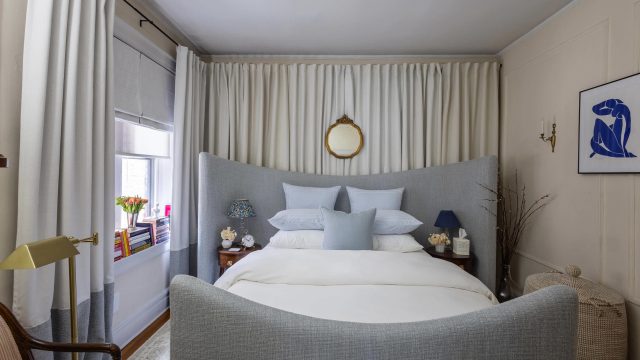
Embracing Softness in Architecture
In recent years, a fascinating shift has occurred in architectural design, focusing on creating spaces that prioritize comfort and emotional well-being. Known as soft architecture, this approach is gaining traction, particularly in the vibrant urban environments of Southeast Asia, including Indonesia's bustling cities like Jakarta and Surabaya. Homeowners are increasingly drawn to designs that forgo sharp edges and rigid forms in favor of more inviting and organic shapes.
Key Takeaways
- Soft architecture emphasizes comfort and emotional well-being.
- This trend is particularly prominent in Southeast Asia.
- Curved lines and natural materials create inviting living spaces.
- Homeowners are favoring cozy designs over traditional rigid structures.
- Soft architecture enhances both aesthetics and functionality.
The Shift Towards Comfort in Design
The move towards soft architecture is not just a passing trend; it reflects a broader cultural shift. As we navigate through an increasingly stressful world, the need for peaceful environments is more apparent than ever. In Indonesia, where urban living is on the rise, homeowners are seeking to create sanctuaries that offer a reprieve from the chaos outside.
Incorporating Nature
A hallmark of soft architecture is the incorporation of natural elements. Homes featuring large windows that invite in light and views of nature, or interiors adorned with plants, create a seamless connection between indoor and outdoor spaces. This design philosophy resonates strongly with the Indonesian market, where nature is a prevalent aspect of daily life.
Curvilinear Designs
Curves are becoming increasingly vital in modern architecture. They soften the visual impact of a building and create a more inviting atmosphere. Designers are moving away from angular shapes, which have dominated architectural styles for decades, in favor of more fluid and gentle forms. This shift can be seen in the latest residential projects across major Indonesian cities, where architects are experimenting with these softer lines.
Why This Matters Now
The current global climate, marked by environmental concerns and a push for sustainability, lends further significance to this trend. Soft architecture is inherently more attuned to sustainable practices, utilizing materials that are not only eco-friendly but also enhance the comfort of living spaces. As Southeast Asia continues to develop, the integration of soft architecture principles can contribute significantly to more sustainable urban living.
Market Implications
The rise of soft architecture is impacting the market dynamics for construction and design firms in Indonesia and the broader ASEAN region. Companies that embrace this trend can differentiate themselves and appeal to a growing clientele interested in creating homes that reflect their values and lifestyle choices.
Conclusion
As the trend of soft architecture continues to gather momentum, it offers a glimpse into the future of residential design. Homeowners in Indonesia and beyond are embracing this philosophy, seeking spaces that foster comfort, well-being, and a deeper connection to nature. This shift not only enhances the aesthetic appeal of homes but also addresses a growing desire for sanctuary in our increasingly chaotic world.
CATEGORIES
News
- Unlocking Global Markets: How Rastelo.co2026-07-29
- Navigating Wholesale Perfume Distributio2026-07-29
- Future Trends in Perfume Production: Wha2026-07-29
- The Global Fragrance Market: Insights fo2026-07-29
- The Essential Guide to B2B Fragrance Tra2026-07-29
CONTACT US
Contact: Rastelo Fragrance Export
Phone: 13800000000
Tel: 400-123-4567
E-mail: rekhamonikaraja@gmail.com
Add: Here is your company address